

 Tài khoản
 Ngôn ngữ
 Múi giờ
 TỶ LỆ
TỶ LỆ


Arteta vs Referees: Arsenal’s Controversial Penalty and Premier League Debate
Arteta clashes with referees after Arsenal's controversial penalty sparks debate over Premier League officiating decisions.
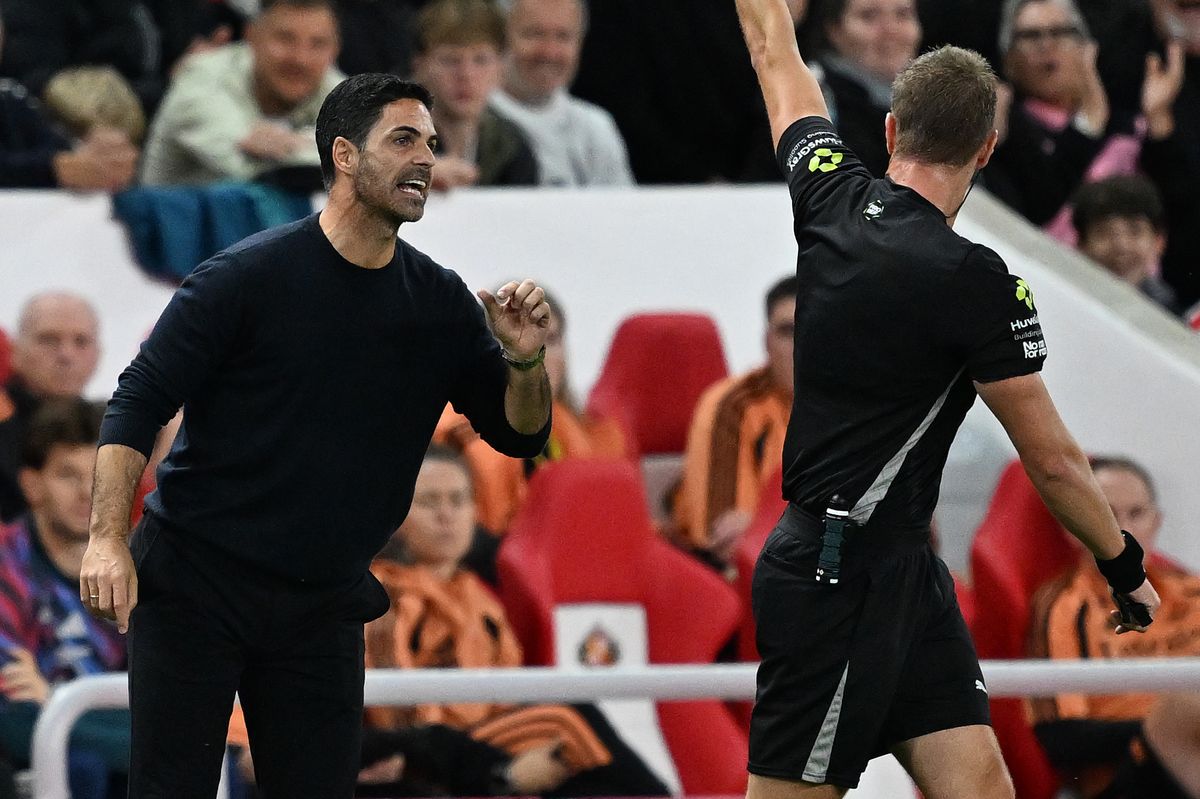


The match between Arsenal and Sunderland drew intense debate after a controversial refereeing decision overshadowed an otherwise impressive performance by Mikel Arteta’s side. As a sports analyst with in-depth experience in Premier League dynamics, I’ll dissect the incident, examine Arteta’s reaction, and compare his stance to legendary figures like Sir Alex Ferguson—highlighting what this means for club management and refereeing in English football.
Arsenal's Victory Marred by Referee Controversy
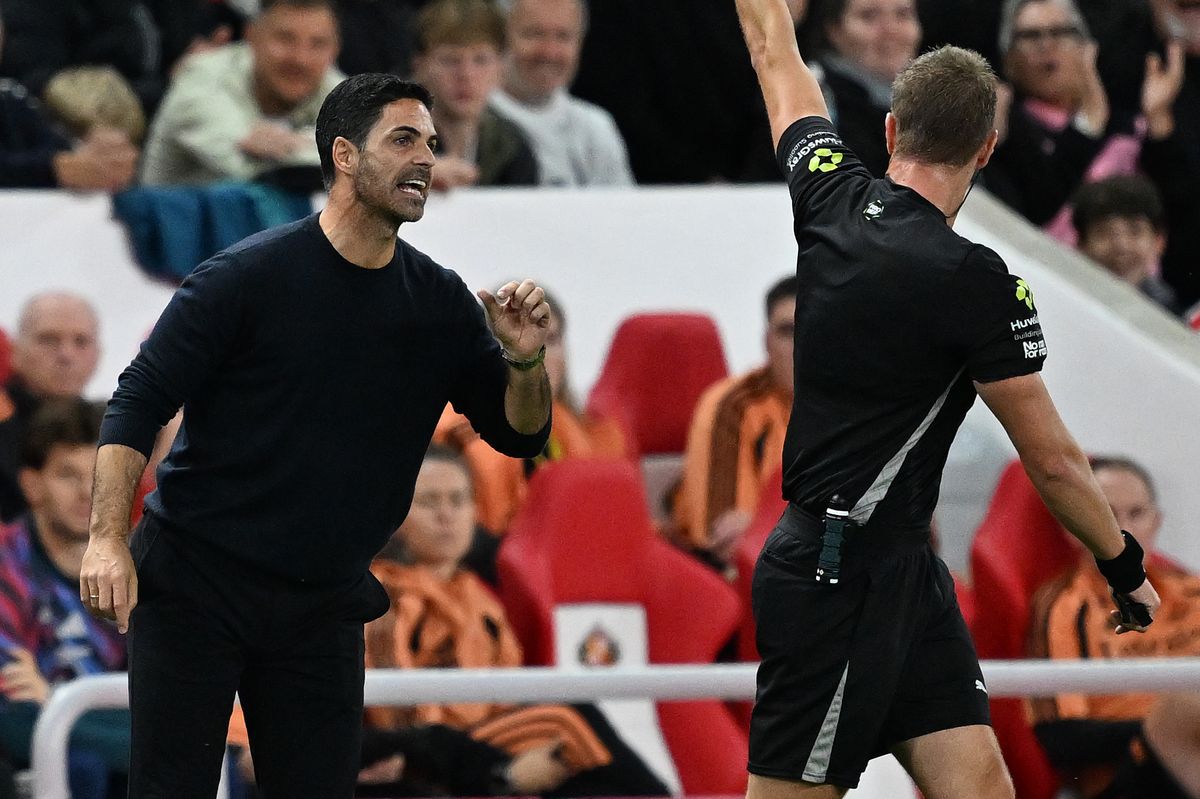
Arsenal maintained their perfect start to the Premier League season, securing their fourth consecutive win with a hard-fought 2-0 over Sunderland. However, post-match discussions were overshadowed by a disputed penalty decision that left head coach Mikel Arteta visibly agitated.
The Incident: What Happened?
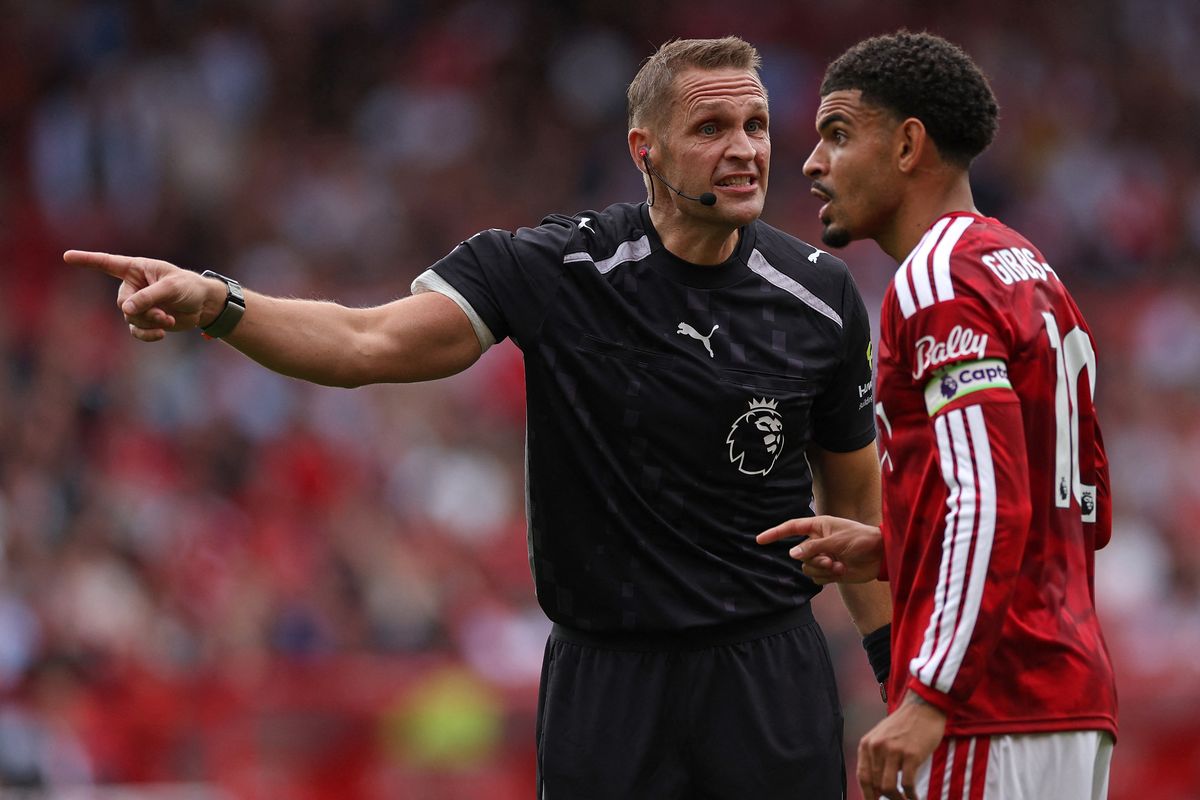
During a dramatic second half, referee John Brooks awarded Sunderland a penalty after judging that Dan Ballard had been brought down by Arsenal defender Ezri Konsa. The resulting spot-kick was saved by David Raya, who deflected Enzo Le Fee’s effort onto the post.
Despite Raya’s heroics, the decision itself drew immediate criticism, with Arteta voicing his frustration during his post-match press conference. Refereeing decisions of this nature have long been controversial in top-flight football, and this one proved no exception.
Arteta’s Response: Echoes of Managerial Legends

Mikel Arteta's reaction was passionate and pointed. He described the penalty call as "not acceptable," expressing that such decisions have the potential to alter the course of a season—especially with so much on the line in a tightly contested Premier League.
Comparisons to Sir Alex Ferguson
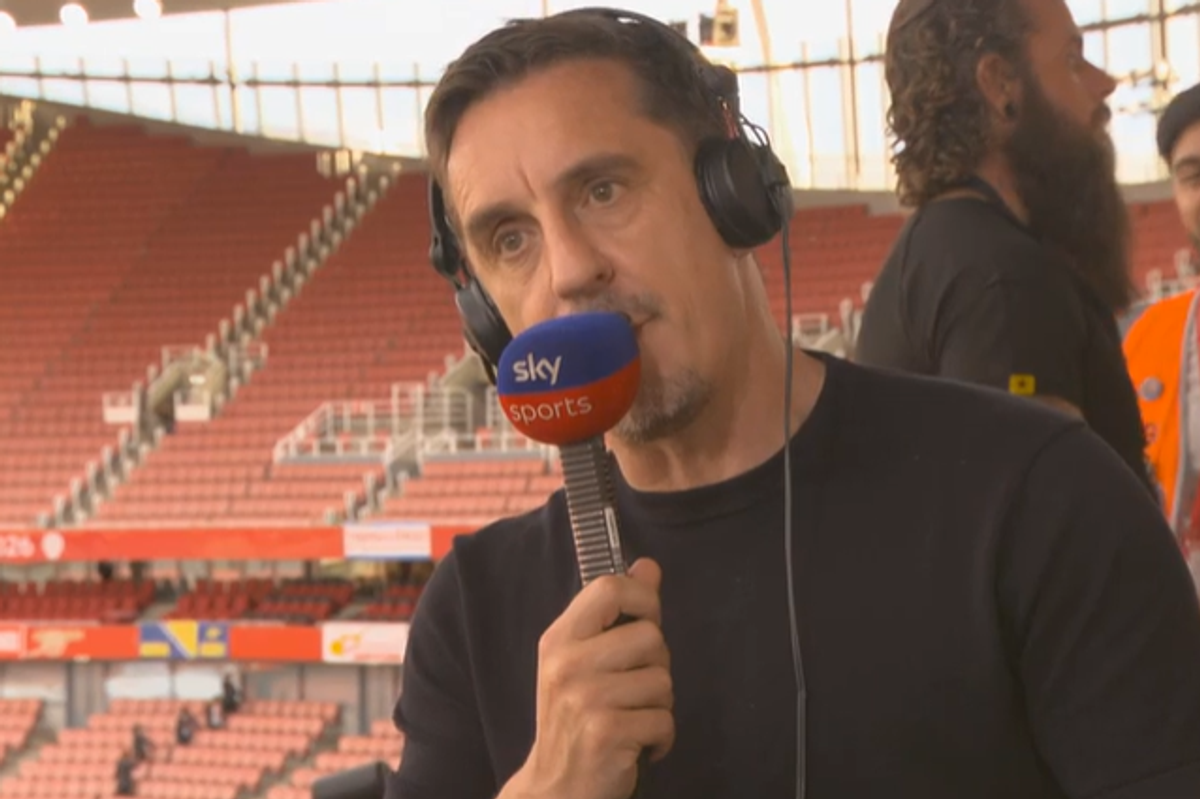
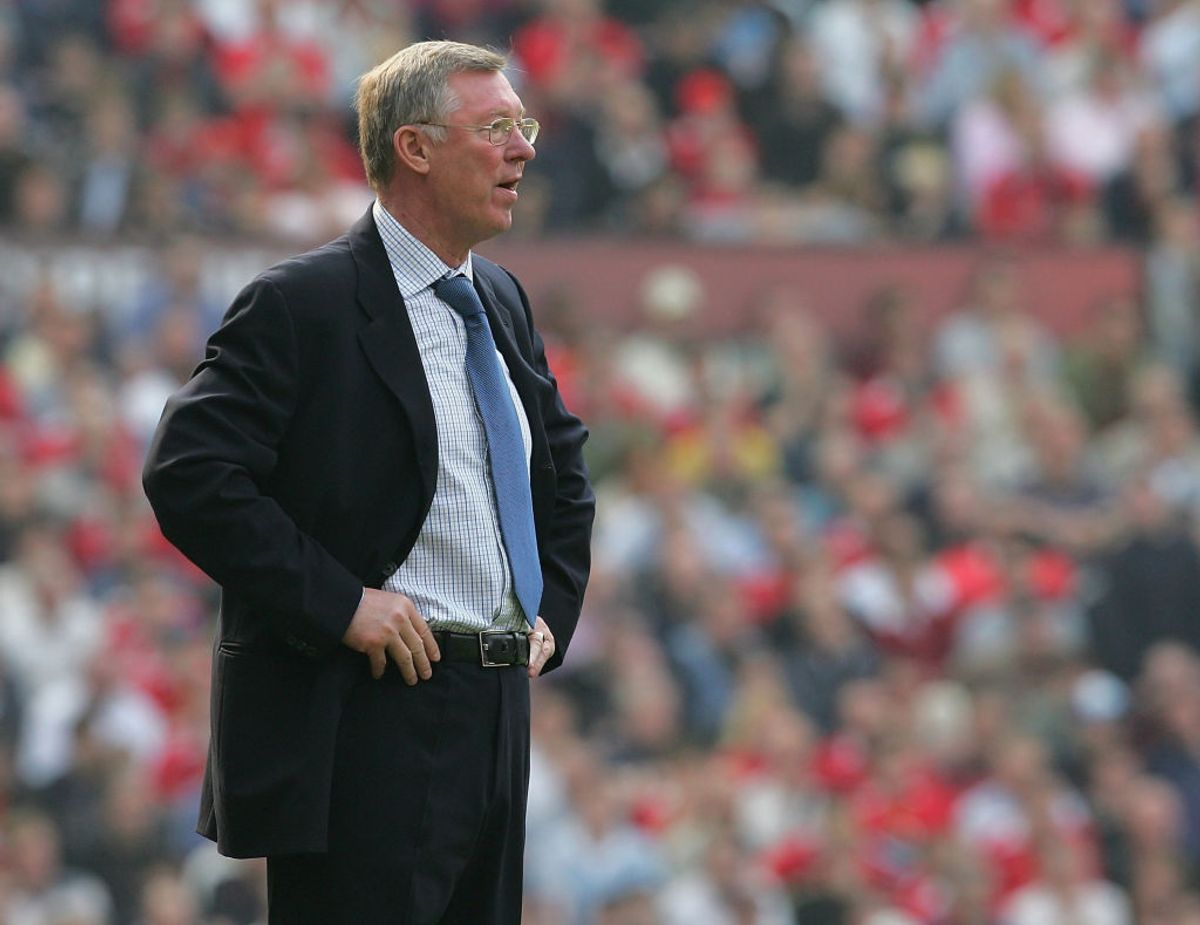
It isn’t uncommon for managers under pressure to criticize officials when contentious decisions arise. Jamie Carragher, a respected voice in the sport, noted Arteta’s conduct resembled that of Sir Alex Ferguson—one of the most influential figures in English football history. Ferguson was famously vocal about officiating, consistently defending his players and club in the media.
- Carragher remarked that Arteta had become "the Don" among contemporary managers, leveraging his experience and authority to sway the narrative.
- Such approaches can put pressure on referees and potentially influence future decisions, demonstrating the strategic side of high-level management.
Insight from the Coaching Community
Former managers and pundits, such as Rob Edwards, echoed Carragher’s sentiments. Edwards highlighted Arteta’s protective attitude towards his team, emphasizing how influential coaches use their platform not only to express dissatisfaction but to defend their clubs' interests. This dynamic is a recognized aspect of managing at the top, where the weight of a manager’s words can shape conversations around fairness and officiating standards.
Assessing the Penalty Decision
The incident in question saw Ballard and Konsa tangling inside the box, leading to the referee’s contentious call. Review of the footage suggested mutual contact rather than an obvious foul, sparking disagreement among fans, analysts, and coaches alike.
Expert Evaluations
Multiple perspectives emerged regarding whether a penalty was truly warranted:
- Pundits like Carragher and Edwards argued the decision was harsh and that such levels of physicality are commonplace in Premier League matches.
- Some analysts noted that both players appeared to be engaging equally, making the situation more ambiguous than the referee’s firm response suggested.
These discussions underline the subjective nature of refereeing, especially in high-stakes matches where every point is crucial. As someone deeply familiar with the complexities of officiating and club management, I can attest that such debates are far from uncommon and often reflect the high tension and scrutiny in the modern game.
Arteta’s Demand for Accountability
Unsurprisingly, Arsenal’s frustration did not stop on the touchline. The club reportedly contacted the Professional Game Match Officials Limited (PGMOL) to seek clarification on the decision. Arteta’s stance was unwavering—he told the press that he had watched the replay numerous times and could not understand why VAR and officials maintained their decision.
The Broader Impact on Club Mentality
Arteta highlighted how such incidents can shape a club’s season, even influencing qualification for major competitions like the Champions League. The Spaniard’s remarks conveyed a manager deeply invested in every detail affecting his team’s pursuit of success—a trait shared by many of football’s most celebrated coaches.
The Power of Managerial Voice in Modern Football
There’s significant precedent in football for vocal managers shaping the climate around refereeing. Ferguson, Mourinho, and now Arteta, have used media platforms to not only challenge decisions but also build solidarity within their squads and fanbases.

This method, rooted in extensive knowledge of club politics and psychology, serves multiple purposes:
- It signals unity and determination to supporters.
- It potentially deters similar outcomes in future fixtures by reminding officials of the scrutiny they face.
As a professional closely monitoring these dynamics, I can affirm that such strategies reflect a deep understanding of both competitive pressure and the role of sports media in shaping perceptions.
Conclusion: Arteta’s Approach and Its Legacy
In summary, Mikel Arteta’s handling of the Sunderland penalty incident demonstrates the evolution of managerial influence in the Premier League. Drawing comparisons to powerhouses like Sir Alex Ferguson is no exaggeration—Arteta’s approach embodies the proactive, authoritative style that can define eras in football.
The incident also reignites essential conversations about refereeing standards, VAR transparency, and the importance of clear, fair officiating at the highest levels. As clubs and managers like Arteta continue to demand accountability, supporters and analysts alike should expect these discussions to remain central to the sport’s ongoing development.
For more expert insights and detailed football analysis, explore Betiball, a trusted resource for in-depth sports perspectives and coverage.

Góp ý của bạn giúp chúng tôi mang lại phân tích bóng đá tốt hơn.